A unique fusion of East and West
" Macanese dishes are characterised by bold yet balanced flavours "
Macanese cuisine is one of the world’s earliest examples of fusion cooking, blending flavours and techniques from Europe, Asia, and beyond. Developed in Macau during more than four centuries of Portuguese presence, this distinctive cuisine reflects a rich history of trade, exploration, and cultural exchange.
The origins of Macanese cuisine date back to the mid-16th century, when Portuguese settlers arrived in Macau, a small fishing village on the South China coast. As part of the vast maritime network of the ‘Age of Exploration’, Portugal established trading routes that connected Europe with Africa, India, East Asia and Southeast Asia. Along these routes came not only goods but also culinary ideas and ingredients.
Portuguese settlers, unable to find familiar ingredients from home, adapted by incorporating local Chinese produce and spices from their trading posts in places such as Goa and Malacca. African and Indian influences also filtered in, creating a truly global cuisine long before the term “fusion food” existed. Over time, Macanese cuisine became a home-style cooking tradition, passed down through generations of Macanese families who have Portuguese and Asian heritage.
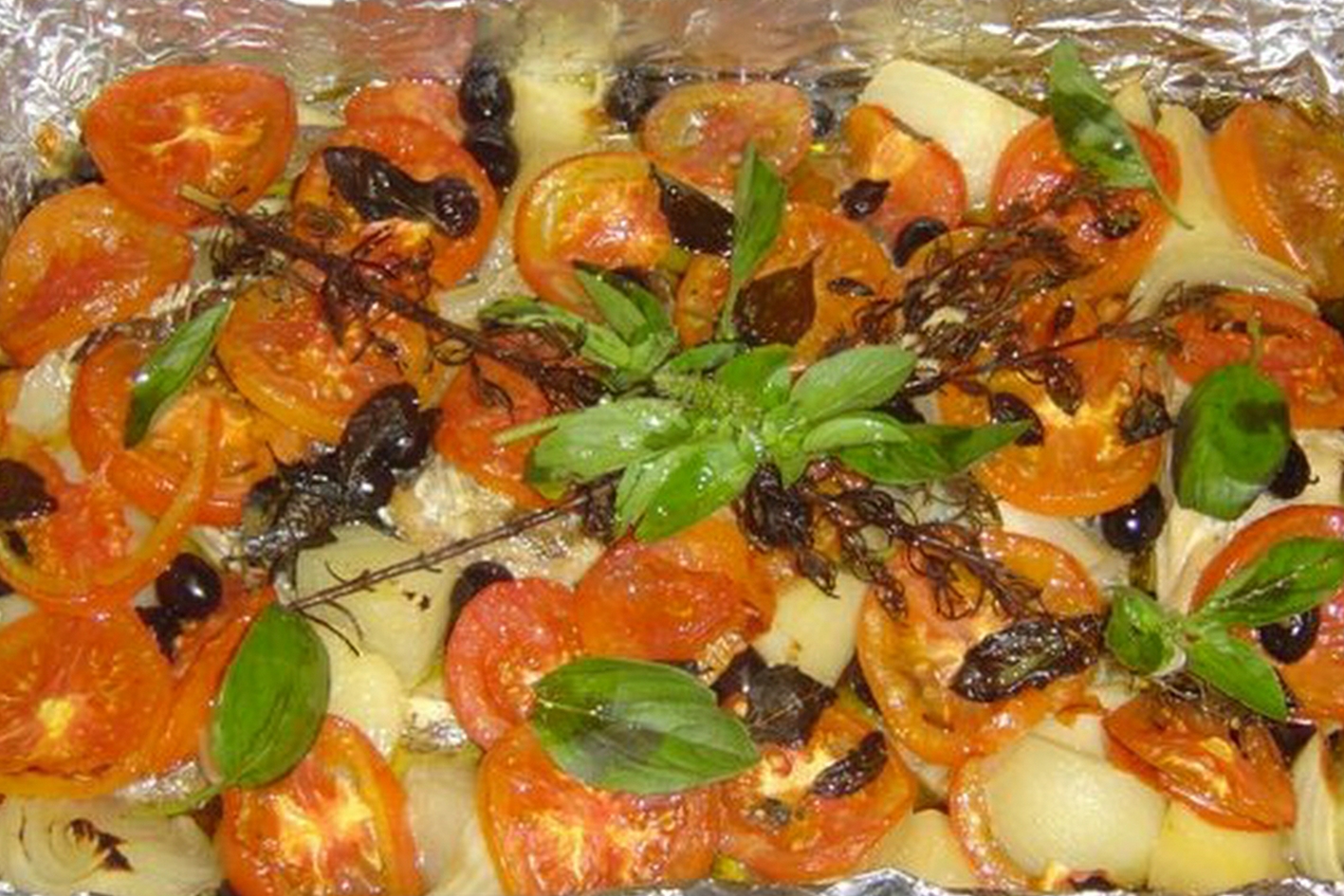
Culinarily, Macanese dishes are characterised by bold yet balanced flavours. Common ingredients include coconut milk, turmeric, cinnamon, soy sauce, and chillies, often used in inventive combinations. Seafood plays a prominent role, reflecting Macau’s coastal geography, alongside pork and chicken.
One of the most famous dishes is Minchi, a comforting mixture of minced pork or beef stir-fried with onions, potatoes, and soy sauce, typically served with rice and topped with a fried egg. Another iconic dish is Galinha à Africana (African chicken), which, despite its name, was created in Macau using influences from Portuguese colonies in Africa. It features roasted chicken coated in a rich, spicy sauce made with peanuts, coconut, and chillies.
Other popular dishes include galinha à Portuguesa (another chicken dish); bacalhau (traditional Portuguese salt cod), pato de cabidela, Macanese chili shrimps, stir-fried curry crab, pig's ear and papaya salad, rabbit stewed in wine, cinnamon and star anise, Macau ginger milk curd.
Macanese cuisine often relies on slow cooking and layering of flavours, with sauces playing a central role. Vinegar and spices are used to preserve and enhance dishes, a nod to both Portuguese culinary habits and the practicalities of long sea voyages.
Cha Gordo (literally “Fat Tea”) is a culinary tradition amongst the Macanese community in Macau similar to afternoon tea. Historically, families with Portuguese heritage in Macau could host a Cha Gordo for a special occasion. Some families might host one weekly. A Cha Gordo would take place following a Macanese wedding, instead of the elaborate banquet seen in Chinese weddings.
Although considered part of Macau’s intangible cultural heritage Macanese cuisine remains relatively rare even within the region. Efforts are being made to preserve its recipes and traditions, as they represent a unique culinary narrative shaped by centuries of global interaction.
Macanese cuisine is a living testament to cultural blending, resilience, and creativity which offers a fascinating taste of history in every dish.
Prepared by a Chaîne News Online Staff Writer
Researched from various sources. E&OE

From Cologne to Oslo - a guest of the Chaîne in Norway
A Renaissance garden of water, art and wonder