
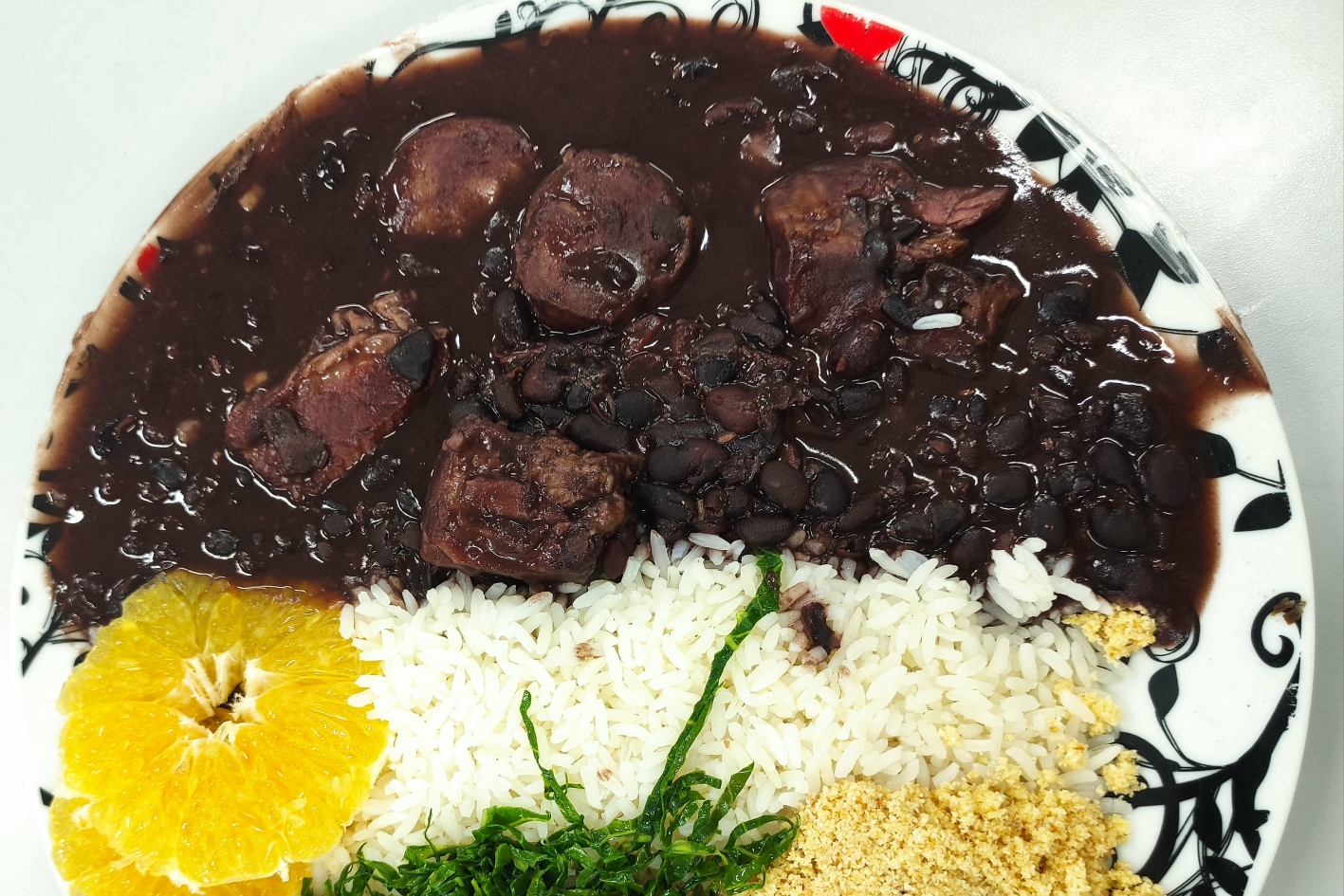
Brazil's most famous national dish
" More than just a stew, feijoada is a taste of Brazil's history and soul "
Feijoada is widely regarded as Brazil’s national dish and is one of the country’s most beloved and recognisable meals. Rich, hearty and deeply comforting, this slow-cooked black bean stew with pork is a symbol of Brazilian hospitality, tradition and communal dining.
The origins of feijoada reflect Brazil’s complex history. The dish developed during the colonial period, influenced by Portuguese cooking traditions and adapted using local ingredients. The name comes from feijão, the Portuguese word for beans.
Whilst there is a popular legend that feijoada was created by enslaved Africans using leftover cuts of meat, historians agree that it evolved from European bean-and-meat stews, adapted to Brazil’s abundant black beans and tropical climate.
Feijoada became firmly established in Rio de Janeiro in the 19th century and is now enjoyed throughout the country. Today, it is traditionally served as a celebratory weekend meal, especially on Saturdays, when families and friends gather for long, leisurely lunches.
At its heart, feijoada is a thick stew made from black beans slowly simmered with a variety of pork cuts. These typically include pork shoulder, ribs, sausages such as linguiça, bacon, and sometimes salted or smoked meats. The long cooking time allows the flavours to deepen and the beans to become creamy, creating a rich and satisfying dish.
What truly defines feijoada, however, is not just the stew itself, but the way it is served. A full feijoada meal is an event, accompanied by a range of traditional side dishes that balance its richness. These usually include white rice, sautéed collard greens with garlic, farofa (toasted cassava flour), and orange slices. The oranges are not just decorative. Their fresh acidity cuts through the heaviness of the pork and helps aid digestion.
Feijoada is also closely associated with Brazilian culture and music. In many cities, restaurants host feijoada lunches with live samba, turning the meal into a social celebration. It represents warmth, generosity and the joy of sharing food around a table.
Despite its humble ingredients, feijoada is a dish of great pride. Every family has its own recipe, passed down through generations. Debates about which meats to include are common. Some prefer it thick and smoky, others lighter and more brothy.
More than just a stew, feijoada is a taste of Brazil’s history and soul. It reflects the country’s ability to blend influences into something uniquely its own: comforting, bold and full of flavour.
Whether enjoyed in a bustling Rio restaurant or a quiet home kitchen, feijoada remains a true Brazilian classic.
Prepared by a Chaîne News Online Staff Writer
Researched from various sources. E&OE

From Cologne to Oslo - a guest of the Chaîne in Norway

A Renaissance garden of water, art and wonder