A creole tradition shaped by sea and survival
" Cape Verdean food is not just about sustenance. It's a testament to history, community, and the enduring creativity of its people "
Cape Verdean cuisine reflects the history, resilience, and cultural blending of the island nation of Cape Verde (Cabo Verde). Situated in the Atlantic Ocean off the coast of West Africa, the archipelago had no indigenous population prior to its discovery by the Portuguese in the 15th century. As a result, its cuisine developed as a unique Creole fusion of African and Portuguese influences, shaped by trade, migration, and the challenges of island life.
The origins of Cape Verdean cuisine are closely tied to the ‘Age of Exploration’, when Portuguese settlers established the islands as a key stop in transatlantic trade routes. Enslaved Africans were brought to the islands, and over time, a distinct Creole culture emerged. This blending of peoples is clearly reflected in the food, which combines African staples with European techniques and ingredients.
Due to the islands’ arid climate and limited natural resources, Cape Verdean cooking has traditionally been based on what is available and sustainable. Staple ingredients include maize, beans, sweet potatoes and cassava. The surrounding ocean provides an abundance of seafood, making it central to many dishes, whilst agriculture on the islands has historically been challenged by drought.
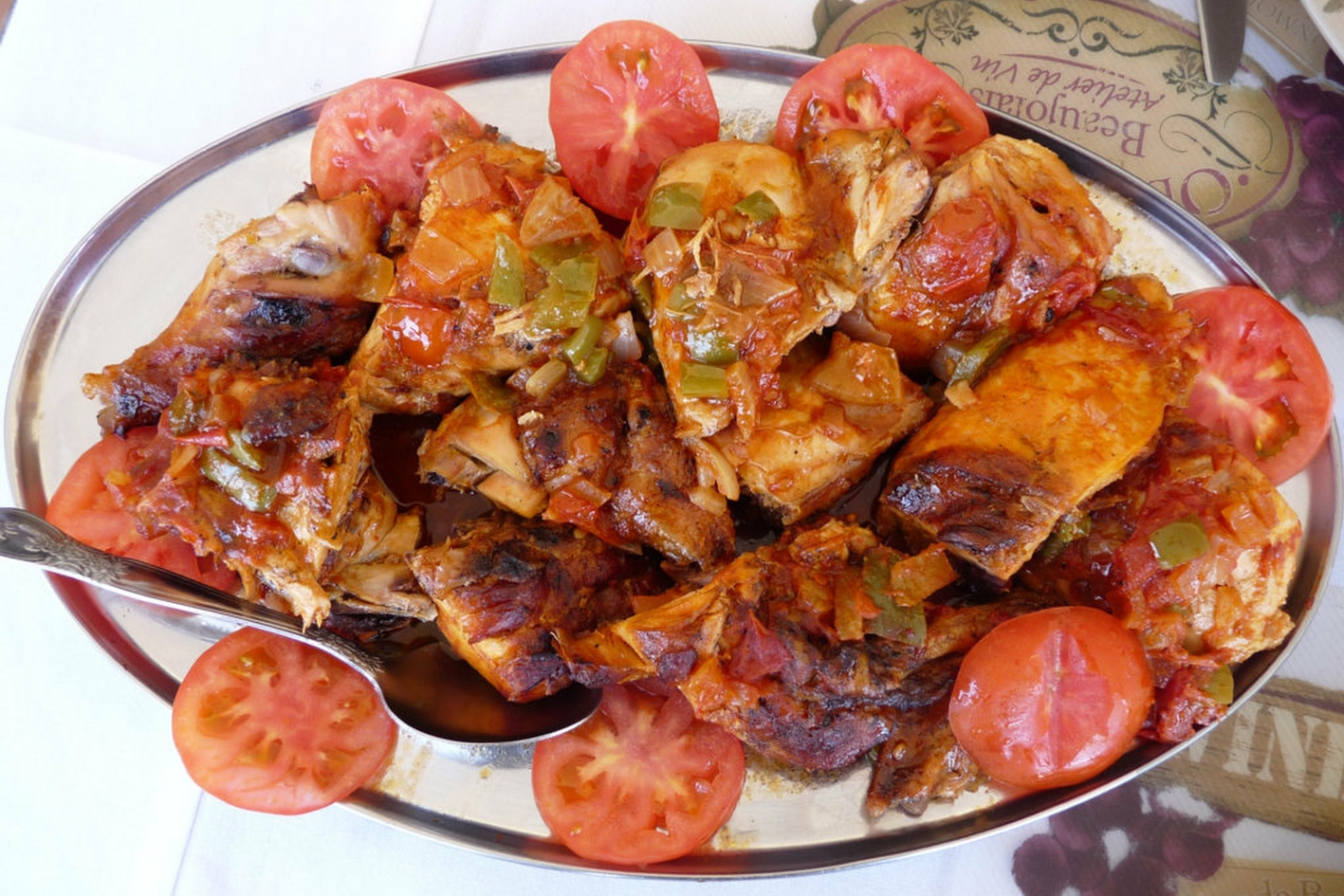
The national dish, cachupa, perfectly embodies the spirit of the cuisine. This hearty, slow-cooked stew typically combines maize, beans, vegetables, green bananas and either fish or meat such as pork or sausage. There are many regional variations. All share the same emphasis on nourishment and communal eating. Leftover cachupa is often fried the next day with onions and eggs, creating a popular dish known as cachupa refogada.
Flavouring in Cape Verdean cuisine tends to be subtle yet satisfying. Garlic, onions, bay leaves, and mild spices are commonly used, whilst hotter chillies are added more sparingly than in some neighbouring African cuisines. Portuguese culinary traditions introduced ingredients such as olive oil, cured meats, and certain cooking methods, including stewing and marinating.
Sweet treats include ‘bolinhos de mandioca com mel’ [Ed. honey manioc balls] and filhoses - also called “fdjoss” - which are fried banana balls made with banana, flour and sugar.
Another notable aspect of the cuisine is its emphasis on resourcefulness. Dishes are often designed to stretch ingredients and minimise waste, reflecting the realities of life on islands where supplies were historically limited and irregular.
A legacy of the Portuguese is olives and the Alentejo wines which are still imported. An important aspect of Cape Verdean culture is grogue which is strong rum made from distilled sugar cane. A variation is ponche [Ed: punch] which is sweetened with condensed milk or sugarcane molasses. Cape Verde’s most popular beer is Strela production of which began in 2006.
Today, Cape Verdean cuisine continues to be an important expression of national identity, both on the islands and within diaspora communities around the world. It tells a story of adaptation, cultural exchange, and endurance. A story where simple ingredients are transformed into comforting, deeply meaningful meals.
In essence, Cape Verdean food is not just about sustenance. It’s a testament to history, community, and the enduring creativity of its people.
Prepared by a Chaîne News Online Staff Writer
Researched from various sources. E&OE

From Cologne to Oslo - a guest of the Chaîne in Norway
A Renaissance garden of water, art and wonder