Inspired by Spanish lamb stew recipes
" It is one of the most popular .. dishes in the archipelago and is found in most provinces "
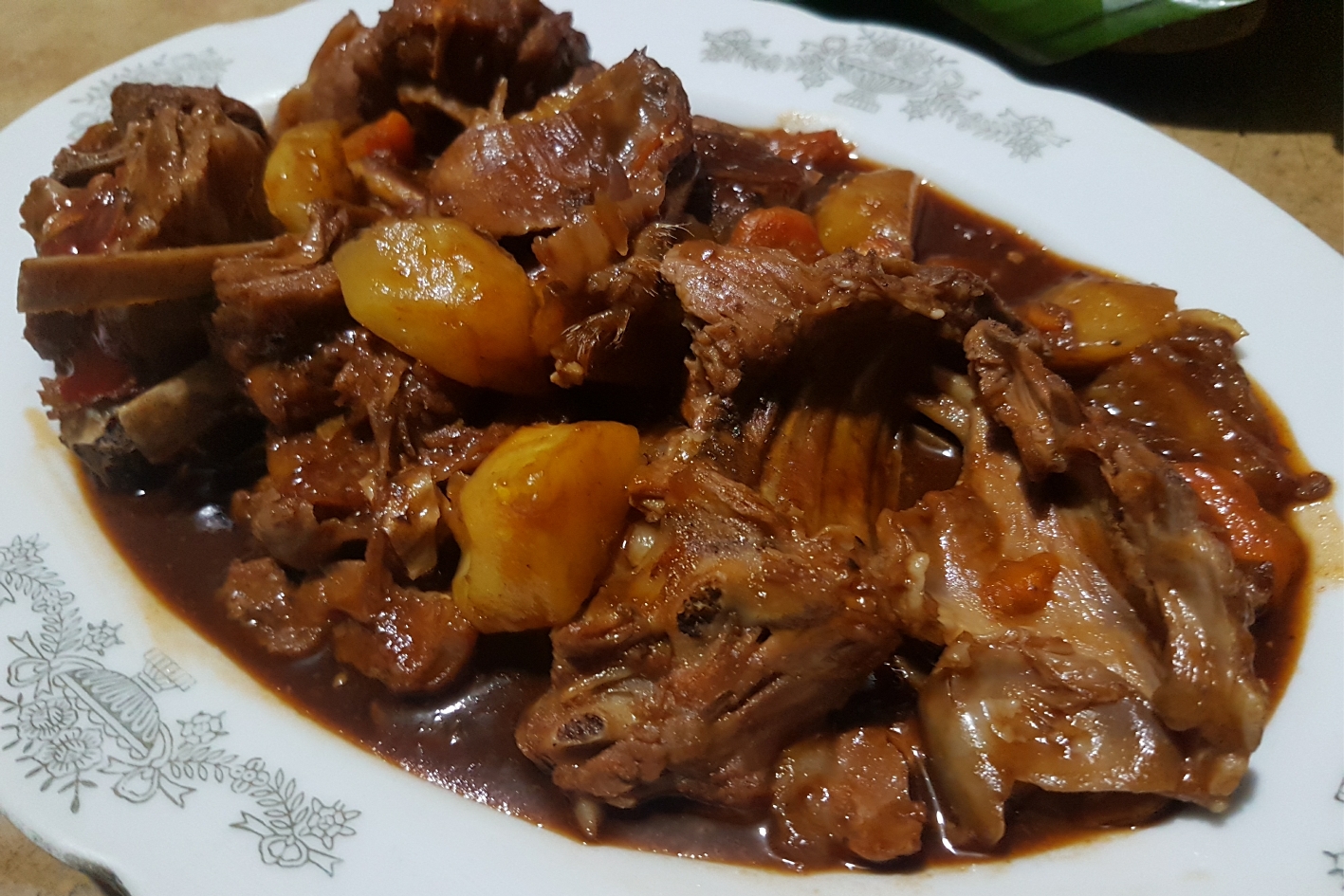
Kaldereta (or caldereta) is a traditional Filipino dish that emerged during the period of Spanish colonization (16th to 19th centuries). It was originally a stew made with goat meat and liver, although beef, pork, or chicken are also commonly used today. While the defining characteristic of the dish is the incorporation of mashed liver to thicken the stew’s sauce, kaldereta almost always includes crushed tomatoes in the sauce.
It is one of the most popular Spanish-inspired dishes in the archipelago and is found in most provinces.
History
Kaldereta is inspired by Spanish lamb stew recipes, and its name derives from the Spanish word ‘caldero’, referring to a type of large cooking pot. As lamb is not widely available in the Philippines, locals replaced it with goat meat and liver, the latter being mashed and incorporated into the flavourful broth to thicken it.
Kaldereta most often includes tomatoes - another ingredient introduced to the archipelago by the Spanish - which are crushed and added to the sauce. It is therefore often classified among Filipino tomato-based dishes such as ‘afritada’ and ‘menudo’.
Today, more accessible meats such as beef, pork, or chicken frequently replace goat. The name of the dish may be specified according to the meat used: ‘kalderetang kambing’ (goat), ‘kalderetang baka’ (beef), ‘kalderetang baboy’ (pork) and ‘kalderetang manok’ (chicken).
Ingredients
The main ingredient is meat (goat, beef, pork, etc.) simmered with its liver, which is then mashed to thicken the sauce. The sauce is typically made from a meat broth flavoured with pepper, bay leaves, and, depending on preference, chili peppers for a spicier version. Fruits and vegetables introduced to the archipelago by Spanish colonists are added, typically tomatoes, as well as bell peppers, olives, potatoes, carrots, and onions. Kaldereta is served with rice.
Prepared by a Chaîne News Online Staff Writer
Researched from various sources. E&OE

A historic milestone for Bulgarian gastronomy