
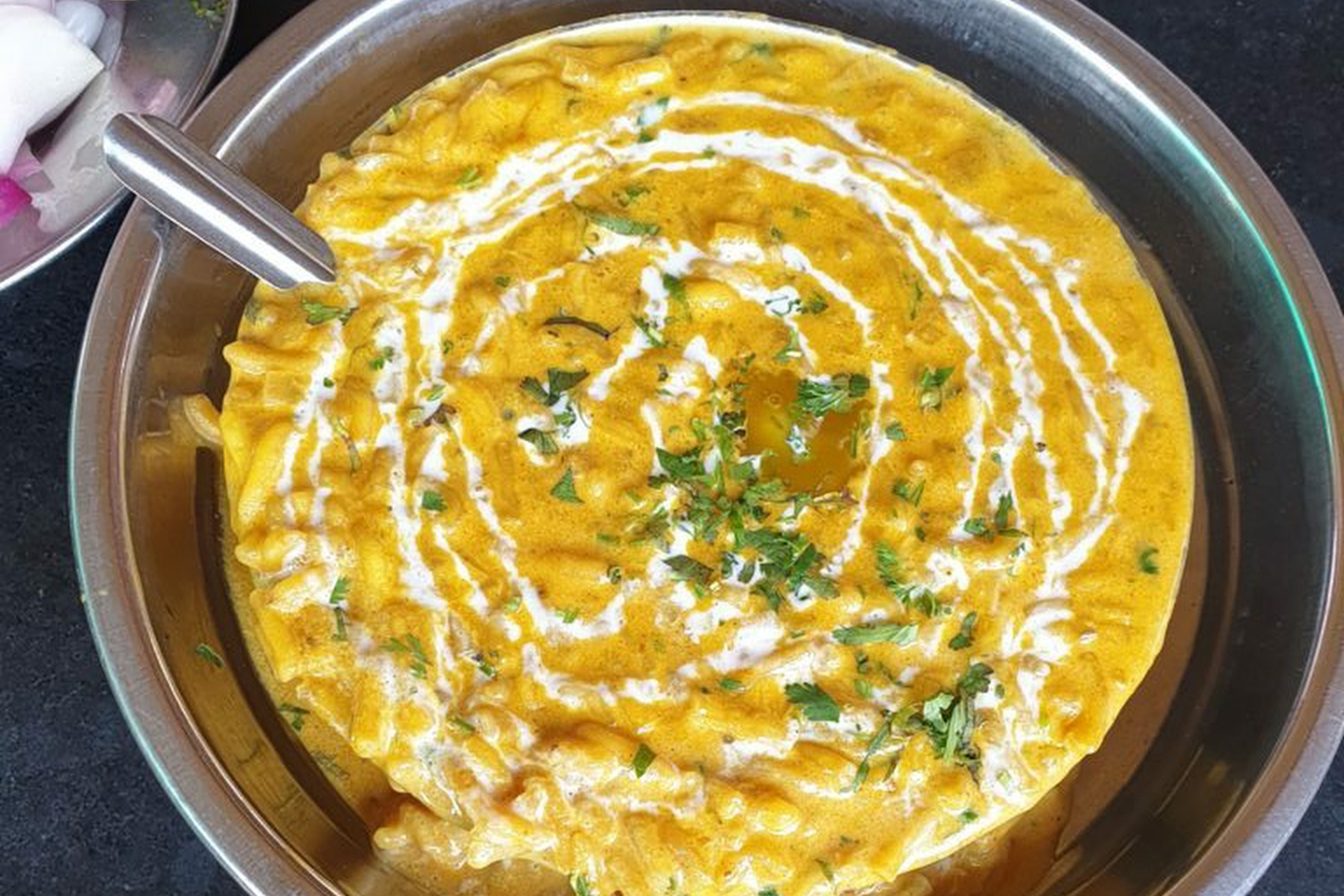
The heart of South Asian comfort food
" Beyond its nutritional value, dhal holds deep cultural significance "
Few dishes capture the warmth and simplicity of South Asian cooking quite like dhal. This humble yet deeply satisfying dish, made primarily from lentils, has been a staple across Bangladesh, India, Nepal, Pakistan and Sri Lanka for centuries. Its versatility, nutrition and comforting nature make it a cornerstone of daily meals and festive feasts alike. Evidence of lentils has been found in human settlements dating back to the Bronze Age.
At its core, dhal (also spelt dal or daal) refers to both the ingredient: split pulses such as lentils, peas or beans, and the dish made from them. There are many varieties: toor dhal (split pigeon peas), moong dhal (split mung beans), masoor dhal (red lentils), urad dhal (black gram), chana dhal (split chickpeas), Puy lentils and green whole lentils are among the most common. Each type has its own texture, flavour and preferred method of cooking.
The preparation of dhal varies widely by region and household. Generally, the pulses are rinsed, boiled until soft, then seasoned with a fragrant blend of spices. The key to a memorable dhal lies in the tadka or tempering. This is a sizzling mixture of mustard seeds, cumin, garlic, onions, chillies sometimes curry leaves, fried in ghee or oil and poured over the cooked lentils. This final flourish infuses the dish with rich aromas and layers of flavour.
Nutritionally, dhal is a powerhouse. Lentils are high in protein, fibre and essential minerals, making them an excellent choice for vegetarians and those seeking balanced, plant-based meals. When served with rice or flatbreads such as chapati or roti, dhal provides a complete protein source, sustaining energy and aiding digestion.
Beyond its nutritional value, dhal holds deep cultural significance. Being both everyday sustenance and a symbol of hospitality. A steaming bowl of dhal served with rice, known as dhal bhat, is the quintessential comfort food across much of South Asia. It is simple, nourishing and endlessly adaptable, reflecting the diversity and resourcefulness of the region’s cuisines.
Today, dhal has found fans across the globe, appreciated for its wholesome ingredients, affordability and adaptability to different tastes. Whether enjoyed as a light soup, a hearty stew, or a side dish, dhal continues to embody what the best food always does: warmth, nourishment and a sense of home.
Prepared by a Chaîne News Online Staff Writer
Researched from various sources. E&OE

From Cologne to Oslo - a guest of the Chaîne in Norway

A Renaissance garden of water, art and wonder