
North Africa's slow-cooked culinary jewel
" Historically, tagines were central to Moroccan domestic and social life "
Hallmark of Moroccan and broader North African cuisine, goat tagine is a dish that marries tradition, flavour, and technique. Its roots stretch deep into the Maghreb region, where generations of cooks perfected the art of slow-cooking meat with aromatic spices, fruits, and preserved ingredients. Today, goat tagine continues to inspire chefs and home cooks worldwide, influencing modern culinary approaches and the global appreciation of rustic, aromatic stews.
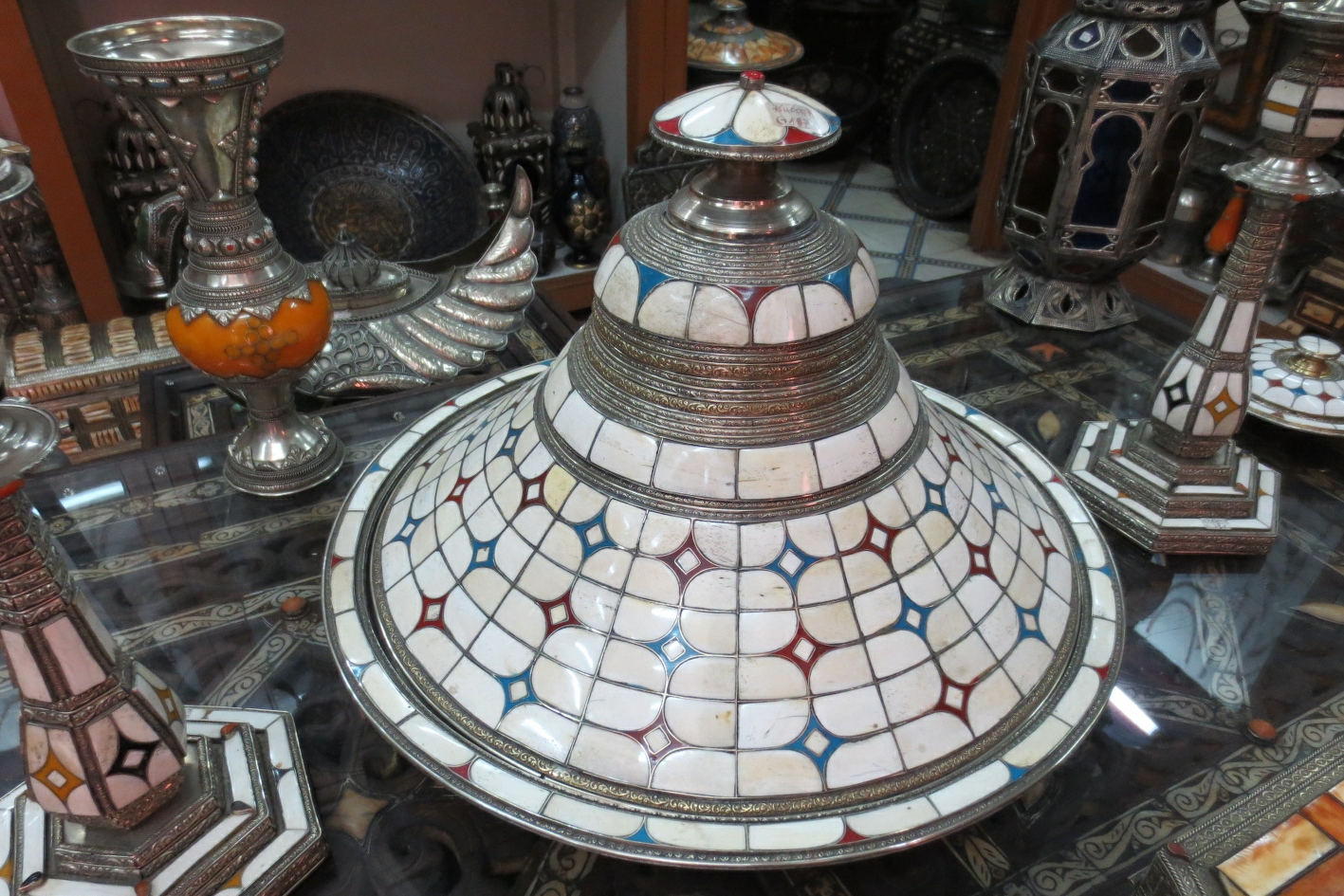
The word tagine refers both to the dish and the distinctive clay pot in which it is cooked. The pot features a shallow base and a tall conical lid, which allows steam to circulate and condense, gently basting the meat whilst concentrating flavours. In the case of goat tagine, tender cuts of young goat, sometimes substituted with lamb, are slowly cooked with a harmonious blend of ingredients: dried fruits such as apricots or prunes, preserved lemon, olives, onions, garlic, and a mix of warm spices including cinnamon, cumin, turmeric, and saffron. The result is a complex, sweet-savoury stew, with tender meat that effortlessly absorbs the aromatic liquids surrounding it.
Historically, tagines were central to Moroccan domestic and social life. Goat was often the meat of choice for feasts and celebrations, reflecting both availability and the ability of slow cooking to tenderise tougher cuts. The combination of dried fruit and preserved lemon reflects a centuries-old Maghrebi tradition of balancing sweet, sour, and savoury elements. A hallmark of the region’s cuisine. Traditionally, goat tagine would be served with bread or couscous, allowing diners to soak up every drop of the rich sauce.
The influence of goat tagine extends far beyond North Africa. The tagine method has inspired modern slow-cooking techniques, including the use of heavy-duty ovens, cast-iron pots, and sous-vide approaches to achieve similar tender, flavourful results. Its aesthetic has also influenced contemporary restaurant plating, emphasising rustic presentation, layering of textures, and aromatic components that fill the dining space with fragrance. In addition, the fusion of sweet and savoury flavours found in goat tagine has permeated Mediterranean-inspired cuisine globally, from European bistros to high-end fusion restaurants.
Today, goat tagine stands as a bridge between history and innovation. It embodies the depth of North African culinary heritage while continuing to shape modern cooking philosophies, proving that a simple, slow-cooked goat stew can leave an enduring mark on the world’s gastronomy!
Prepared by a Chaîne News Online Staff Writer
Researched from various sources. E&OE

From Cologne to Oslo - a guest of the Chaîne in Norway
A Renaissance garden of water, art and wonder