
A fragrant legacy of Arabian hospitality
" At its core, Mandi is a harmonious combination of spiced rice and perfectly cooked meat "
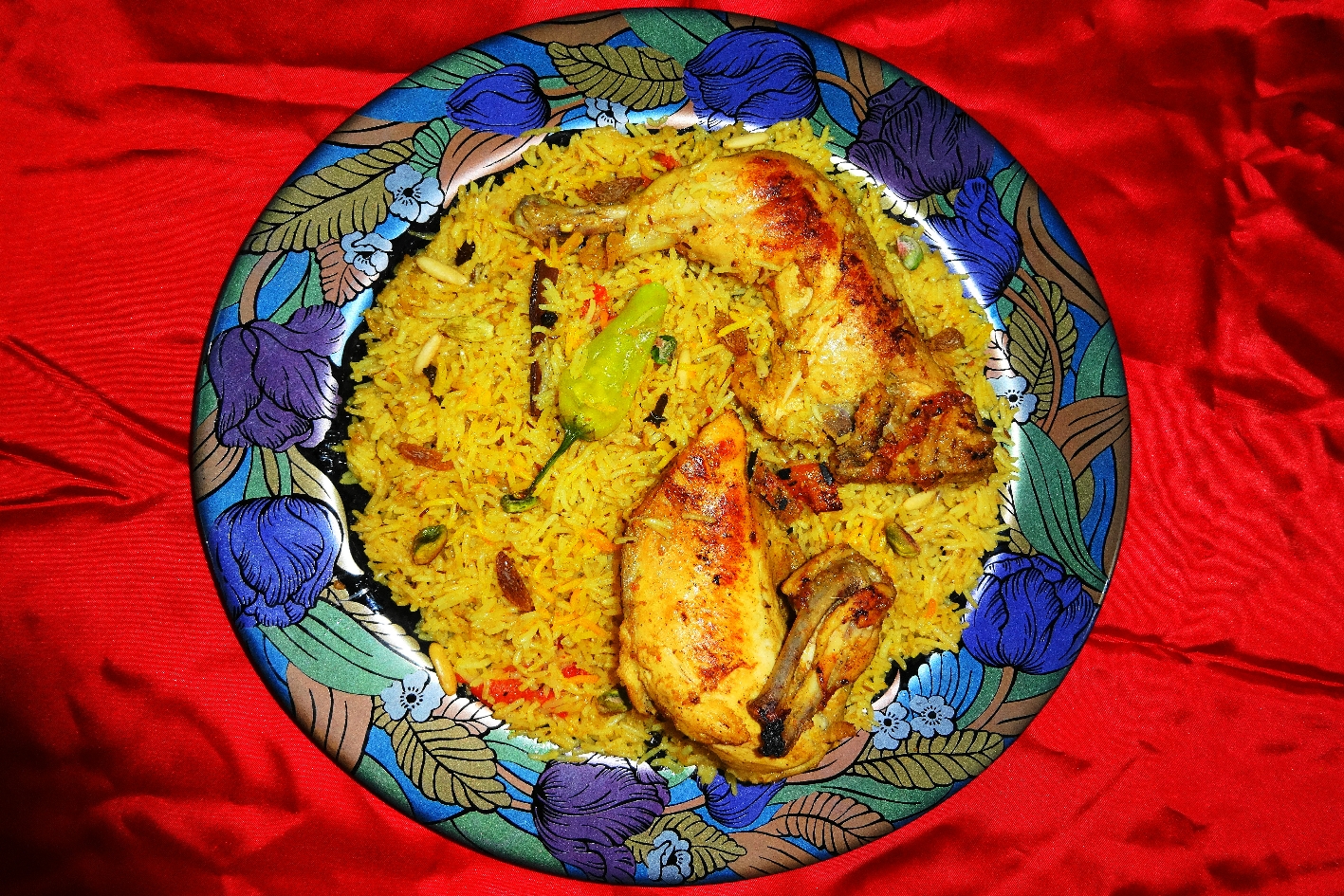
Mandi is one of the most celebrated traditional dishes of the Arabian Peninsula, renowned for its rich aroma, tender meat, and deeply rooted cultural significance. Originating in the southern regions of Yemen, particularly the Hadhramaut area, Mandi has evolved over centuries into a symbol of hospitality and communal dining across the Middle East.
Historically, Mandi dates back to Bedouin cooking traditions, where simplicity and resourcefulness were essential. Desert life demanded methods that preserved flavour while making the most of limited ingredients. The name “Mandi” itself is derived from the Arabic word nada, meaning “dew”. This reflects the moist, succulent texture of the meat achieved during the cooking process. Traditionally, the dish was prepared in an underground clay oven known as a taboon. Meat, usually lamb or chicken, would be suspended above a pit of hot coals, allowing it to cook slowly while the juices dripped down onto the rice below, infusing it with rich flavour.
At its core, Mandi is a harmonious combination of spiced rice and perfectly cooked meat. The rice is typically long-grain, such as basmati seasoned with a distinctive blend of spices including cardamom, cloves, cinnamon, black lime (Ed: loomi), and bay leaves. Saffron or turmeric is added to give the rice its characteristic golden hue. The meat is marinated beforehand with spices and sometimes yoghurt, enhancing both tenderness and depth of flavour.
A defining feature of Mandi is its subtle smokiness. In modern kitchens, where underground ovens are less practical, cooks often recreate this effect by placing a piece of hot charcoal in a small dish within the pot and drizzling it with oil, then covering the pot briefly to trap the smoke.
Culturally, Mandi is far more than just a meal. Commonly served during gatherings, celebrations, and religious occasions it reflects generosity and togetherness. The dish is traditionally presented on a large communal platter often accompanied by a tangy tomato sauce and a fresh vegetable salad. Diners sit around and eat by hand hence unity and shared experience are emphasised.
Today, Mandi has spread well beyond Yemen, becoming popular across Saudi Arabia and other Gulf countries, and increasingly recognised worldwide. Despite modern adaptations, its essence remains unchanged. Born from tradition, shaped by environment, this dish is cherished for its comforting, aromatic appeal.
Prepared by a Chaîne News Online Staff Writer
Researched from various sources. E&OE

From Cologne to Oslo - a guest of the Chaîne in Norway

A Renaissance garden of water, art and wonder