
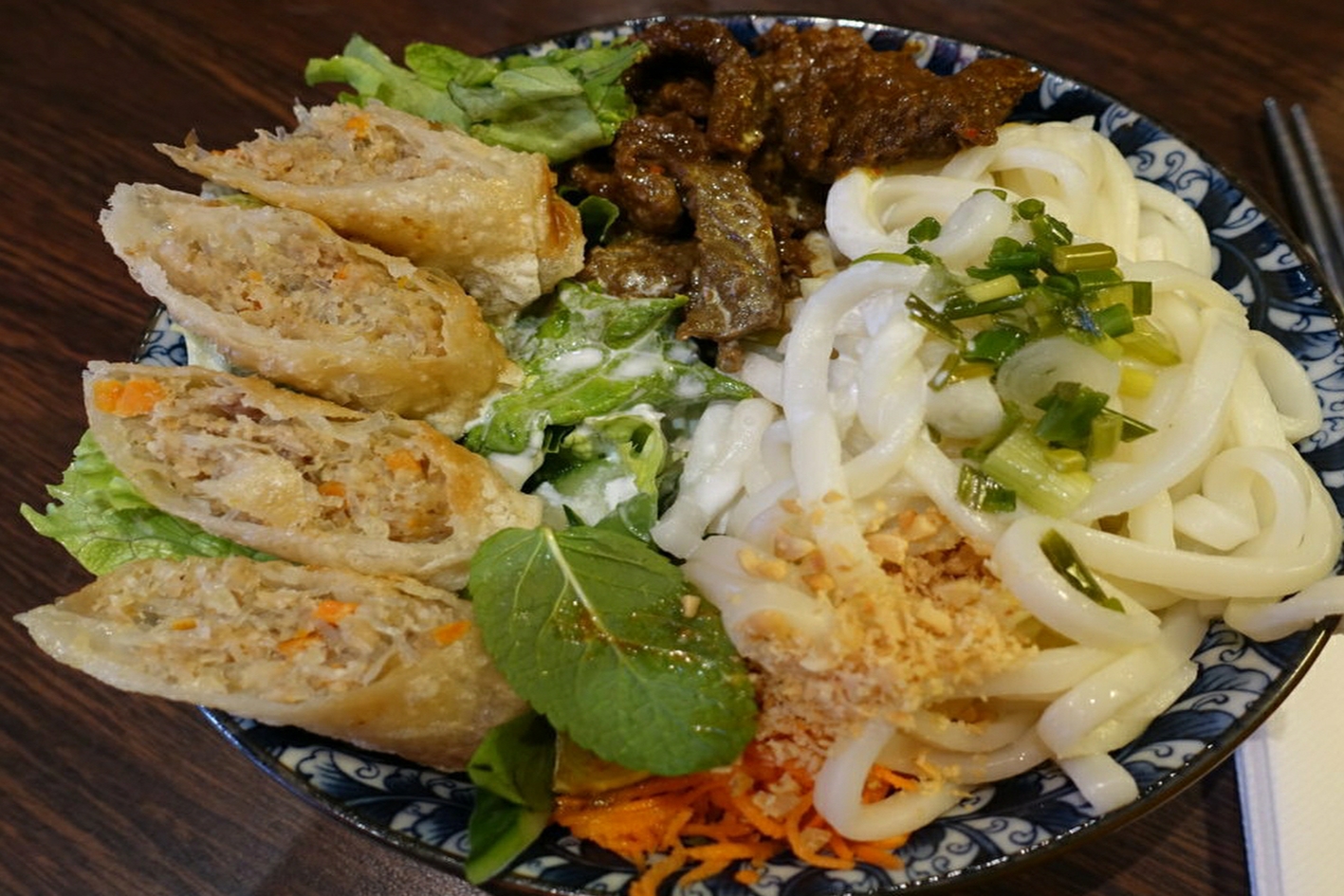
A cuisine with delicate balances
" For travellers, discovering Khmer food is not just about eating. It's about understanding the country itself. One carefully balanced dish at a time "
Cambodian cuisine, often referred to as Khmer cuisine, is a subtle yet deeply flavourful reflection of the country’s history, geography and cultural influences. Less internationally famous than its Thai or Vietnamese neighbours, it rewards those who explore it with delicate balances of sweet, sour, salty and bitter notes, typically without the intense heat often associated with Southeast Asian food.
The roots of Khmer cooking stretch back to the era of the Khmer Empire, when an advanced civilisation thrived around the temples of Angkor. Over centuries, the cuisine absorbed influences from neighbouring countries such as Thailand and Vietnam, as well as from Chinese traders and later French colonial rule. This blend is evident today in the use of noodles, stir-frying techniques and even crusty baguettes found in Cambodian street food.
Central to Cambodian cooking is the use of fresh, local ingredients. Rice is the staple, usually served alongside fish or vegetables, reflecting the importance of the Mekong River and Tonlé Sap Lake. A key flavouring is fish sauce, known locally as “teuk trei”, which adds a savoury depth to many dishes. Another essential ingredient is kroeung*, a fragrant paste made from lemongrass, galangal, turmeric, garlic and kaffir lime, forming the aromatic backbone of numerous recipes.
Among Cambodia’s most beloved dishes is amok, a creamy curry often made with fish, coconut milk and kroeung, gently steamed in banana leaves. Fresh seafood is also widely enjoyed, particularly along the coast, where dishes featuring red snapper are popular. Red snapper is prized for its firm texture and mild flavour, often grilled, steamed or incorporated into zesty preparations that highlight the natural sweetness of the fish.
In recent years, Cambodia’s culinary scene has evolved, with chefs experimenting with traditional ingredients in modern ways. One example is the emergence of inventive drinks such as red snapper cocktails, which reinterpret classic recipes by incorporating savoury elements inspired by Cambodian flavours even echoing the umami notes of fish sauce in subtle, unexpected ways.
Street food culture is an integral part of daily life, offering everything from noodle soups to grilled meats and tropical fruits. Markets buzz with activity, providing visitors with an authentic taste of local life and an opportunity to sample regional specialities at modest prices.
Ultimately, Cambodian cuisine is defined by harmony and freshness rather than intensity. Telling a story of resilience and adaptation, shaped by centuries of cultural exchange yet firmly rooted in local tradition.
For travellers, discovering Khmer food is not just about eating. It’s about understanding the country itself. One carefully balanced dish at a time.
Prepared by a Chaîne News Online Staff Writer
Researched from various sources. E&OE
*Ed. Kroeung is a word for several spice/herb pastes that make up the base flavours of many Khmer dishes. Such dishes are often dubbed with the “kroeung” suffix.

From Cologne to Oslo - a guest of the Chaîne in Norway

A Renaissance garden of water, art and wonder