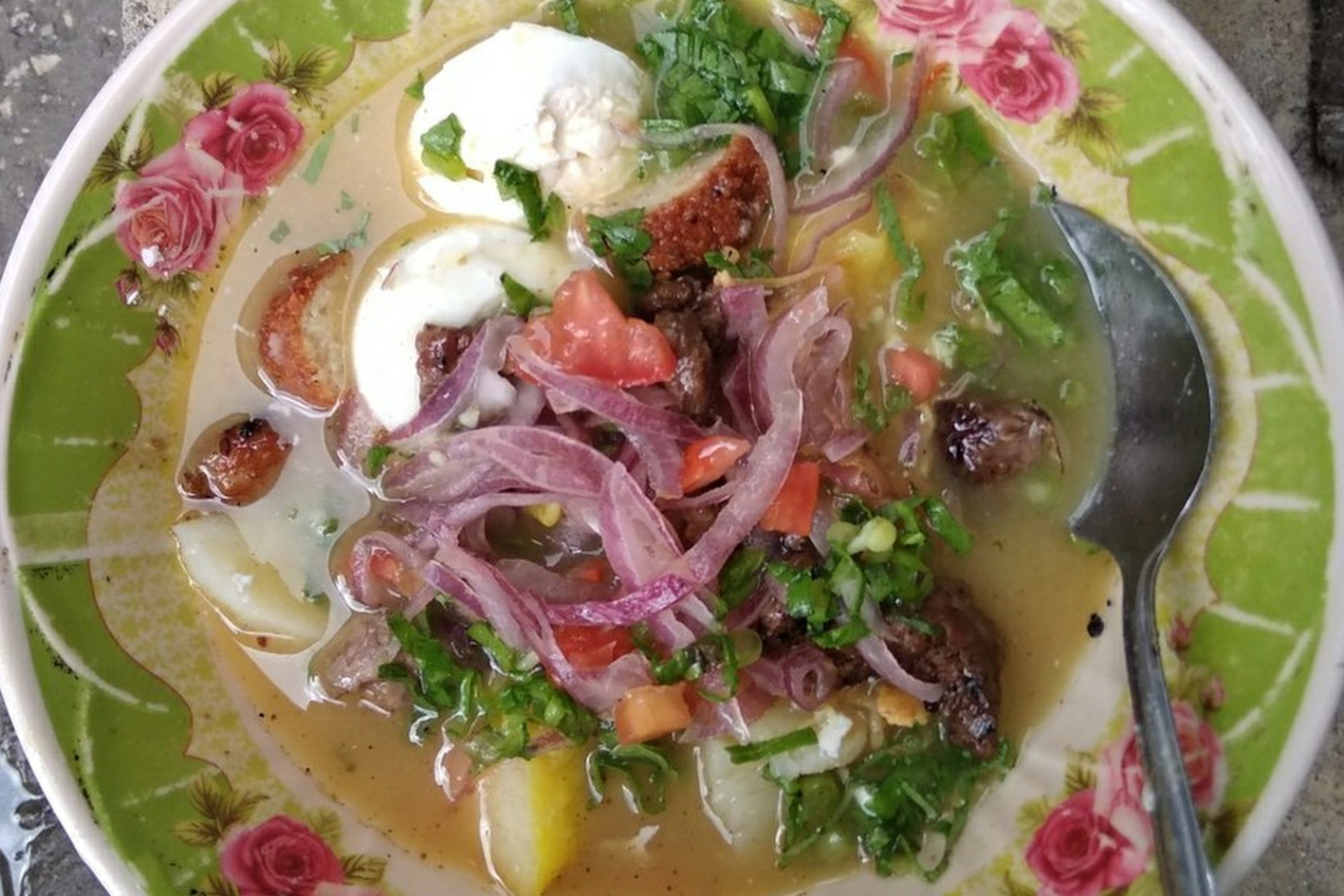
A vibrant blend of African and coastal influences
" Mozambican cuisine is characterised by bold flavours, combining heat from chillies with the richness of coconut and the earthiness of peanuts "
Mozambican cuisine is a rich and flavourful reflection of the country’s history, geography, and cultural diversity. Situated along the southeastern coast of Africa, Mozambique has long been a trading crossroads. Its cuisine bears the marks of African, Arab, Indian and Portuguese influences.
The roots of Mozambican cuisine lie in indigenous African food traditions, centred on locally available ingredients such as cassava, maize, beans, and leafy greens. For centuries, coastal communities relied heavily on fishing, making seafood a diet staple. Inland, farming and foraging shaped a cuisine based on simplicity, nourishment, and seasonality.
A major turning point came with the arrival of the Portuguese in the late 15th century during the ‘Age of Exploration’. Mozambique became an important stop along maritime trade routes linking Europe, Africa, and Asia. The Portuguese introduced new ingredients such as chillies, tomatoes, onions, and citrus fruits many of which had originally come from the Americas. Over time, these ingredients were absorbed into local cooking, transforming traditional dishes.
One of the most iconic contributions is Piri-piri, a fiery chilli sauce that has become synonymous with Mozambican flavour. Made from small, potent chillies blended with garlic, lemon, oil, and spices, piri-piri is used as a marinade or condiment, particularly with grilled seafood and chicken.
Seafood remains at the heart of Mozambican cuisine, especially along the coast. Dishes featuring prawns, crab, and fish are often cooked with coconut milk, creating rich, aromatic stews and sauces. A well-known example is Matapa, a traditional dish made from cassava leaves cooked with ground peanuts, garlic, and coconut milk, sometimes accompanied by seafood such as prawns. Mozambican peanut ‘curry’ is a favourite originating from Goa.
Staple foods include xima (a thick maize porridge similar to polenta), which is served alongside stews and grilled meats. Rice is also widely eaten, often flavoured with spices and paired with beans or seafood. Before the Portuguese arrived, millet and sorghum were the primary grains.
Culinarily, Mozambican cuisine is characterised by bold flavours, combining heat from chillies with the richness of coconut and the earthiness of peanuts. Grilling and slow cooking are common techniques, reflecting both local traditions and Portuguese influence.
Mozambican cuisine continues to evolve whilst maintaining its traditional roots. Celebrated for vibrant flavours and ability to tell the story of a nation shaped by migration, trade, and cultural exchange. Each dish offers a glimpse into Mozambique’s past and present, making its cuisine as meaningful as it is delicious.
Prepared by a Chaîne News Online Staff Writer
Researched from various sources. E&OE

From Cologne to Oslo - a guest of the Chaîne in Norway
A Renaissance garden of water, art and wonder