
The flavours of Minangkabau
"The cuisine reflects the history and geography of West Sumatra "
Few Indonesian meals are as recognisable, generous and full of character as Nasi Padang. Originating in West Sumatra and rooted in the culinary traditions of the Minangkabau people, it is not simply a dish. It’s a style of eating built around steamed rice accompanied by a remarkable variety of richly spiced foods. Its popularity has spread far beyond its homeland, making it one of Indonesia’s best-known regional cuisines. Also known as Padang rice.
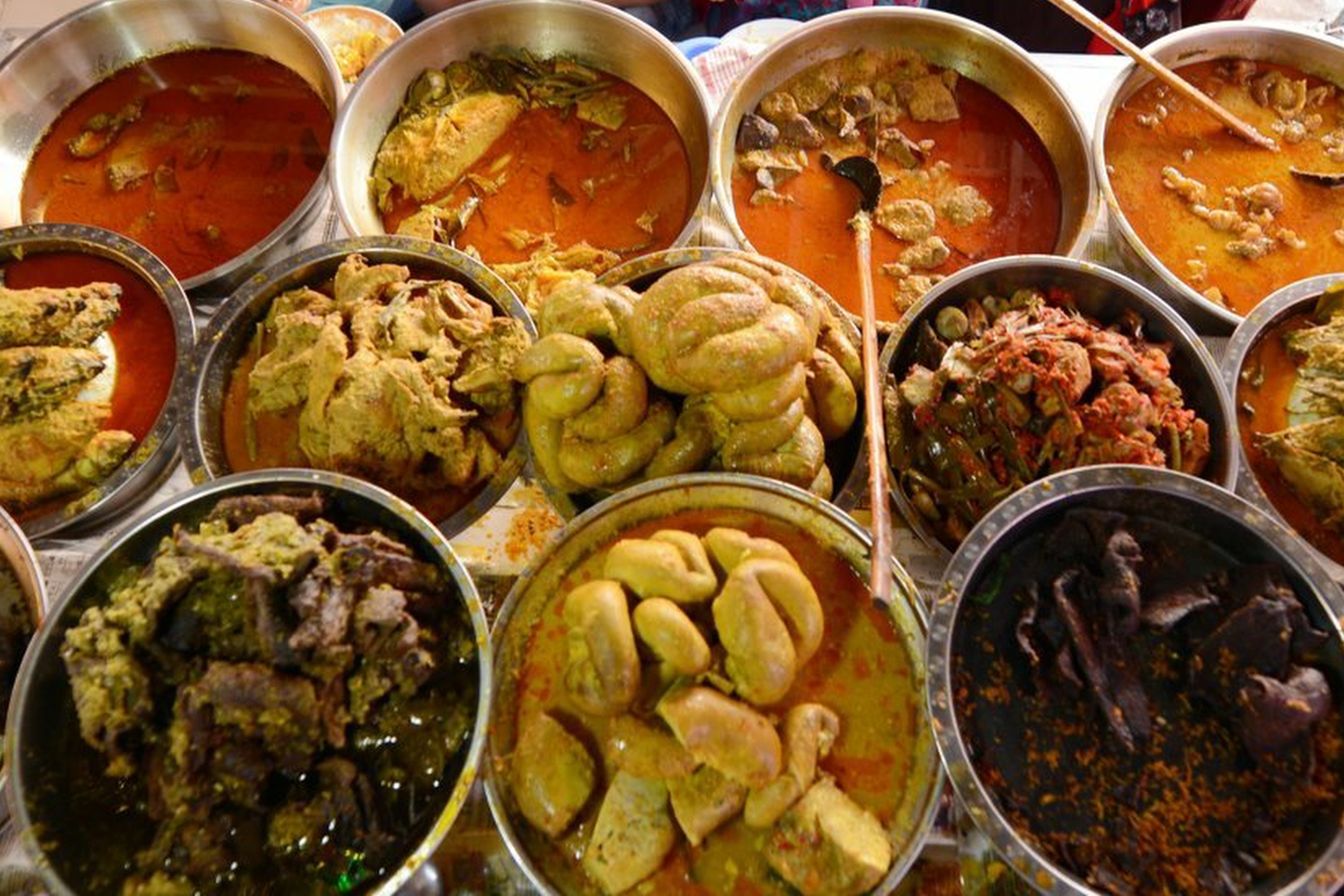
At the heart of Nasi Padang is the food of the Minangkabau, whose cooking is characterised by bold spices, chilli, coconut milk and aromatic herbs. Typical accompaniments include rendang, curries, grilled or fried meats, vegetables, eggs, sambals and other intensely flavoured dishes.
Rendang, perhaps the most famous of them all, developed as a method of slowly cooking and preserving meat in coconut milk and spices. The long cooking process produces a rich, deeply flavoured dish that could be kept for extended periods without refrigeration. Particularly useful for the Minangkabau tradition of travelling and merantau [Ed: migration].
Nasi Padang is also distinguished by its way of being served either hidang or pesan. Traditionally, a selection of dishes is brought to the table in the hidang style, creating an impressive spread from which diners choose what they wish to eat.
In Padang restaurants, it is not unusual to see servers skilfully carrying numerous plates at once before arranging them across the table. Diners generally pay for the dishes they actually consume, while rice and selected accompaniments form the basis of the meal. Pesan, the most common method, usually employed by small restaurants with one or two customers ordering at a time. It involves the customer examining the window display and choosing each desired dish, ordering directly from the attendant.
The cuisine reflects the history and geography of West Sumatra. Minangkabau cooking developed within a culture shaped by agriculture, trade, Islam and extensive migration. Spices, coconut and chilli provide its distinctive foundation, while the wider culinary traditions of the Indonesian archipelago have contributed to the variety found on a Nasi Padang table. The influence of Minangkabau communities travelling throughout Indonesia has been particularly important in spreading the cuisine.
Over time, Nasi Padang evolved from a regional tradition into a national Indonesian culinary institution. Padang restaurants can now be found throughout Indonesia and increasingly overseas, introducing diners around the world to the powerful flavours and distinctive hospitality of West Sumatra.
A Padang restaurant is usually easily distinguishable with its Rumah Gadang-style facade and typical window display. Usually, such displays consist of stages and rows of carefully arranged, stacked bowls and plates filled with various dishes.
Ultimately, Nasi Padang is much more than rice with a selection of dishes. It represents Minangkabau identity, hospitality, migration and culinary ingenuity. A cuisine in which history, culture and community are brought together around one generously laden table.
Nasi padang is a vital part of the Indonesian workers’ lunch break in urban areas. When nasi padang prices in the Greater Jakarta area were raised in 2016, municipal civil servants demanded the uang lauk pauk [Ed: food allowance, a component of civil servants’ salary] to be raised as well.
In 2016, Norwegian singer Audun Kvitland Røstad created an ode for Padang rice to describe his love for this food. The music video subsequently went viral!
Prepared by a Chaîne News Online Staff Writer
Researched from various sources. E&OE


A historic milestone for Bulgarian gastronomy