
Hit headlines in Australian Open Semi-Final!
" At its culinary core, pickle juice is an intensely flavoured seasoning "
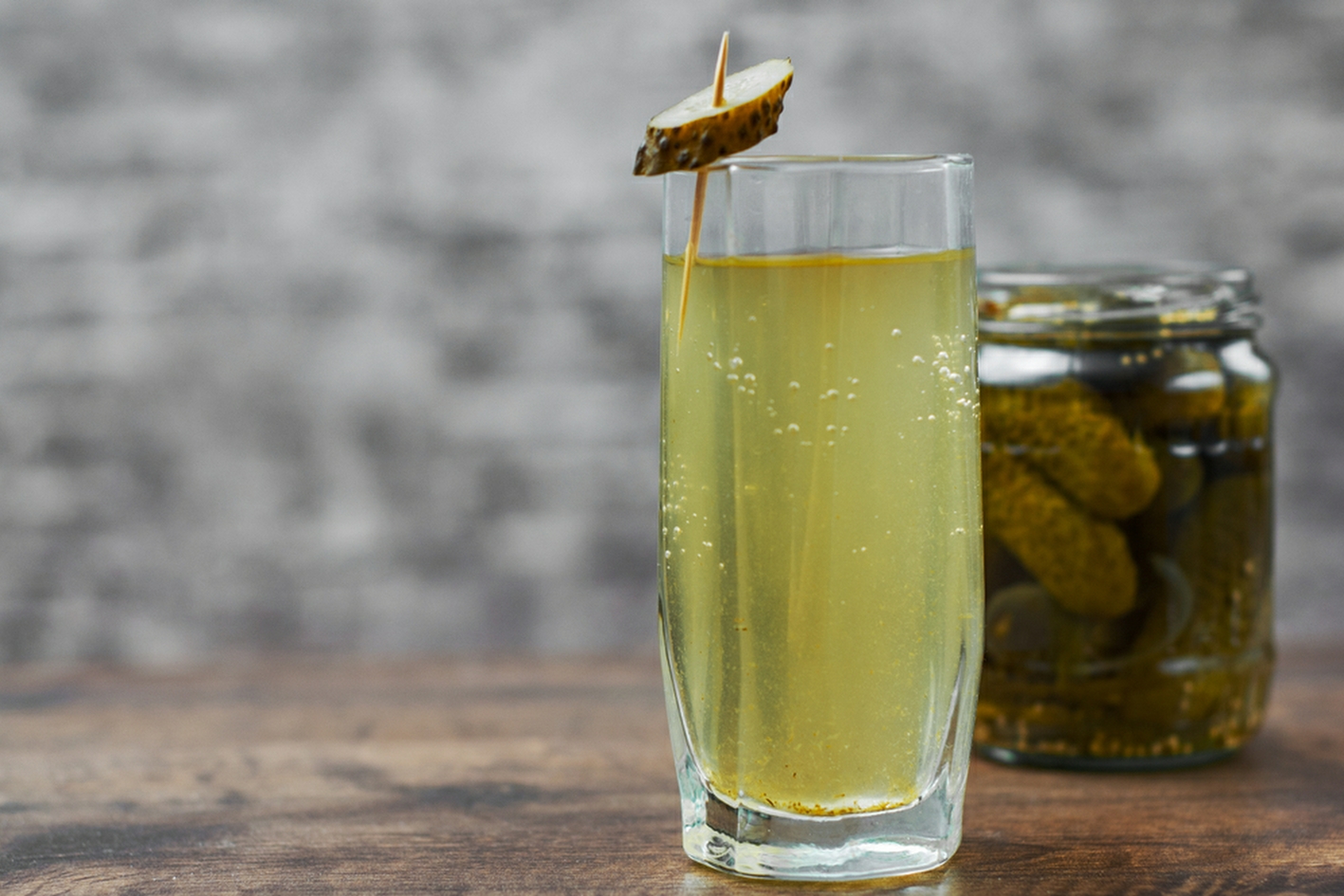
Pickle juice is the tangy brine left behind after pickles have been made. Most commonly cucumbers are preserved in a mixture of water, vinegar and salt. Flavourings such as dill, mustard seeds, garlic, peppercorns and chilli can be added.
Once seen as something to pour down the sink, it’s now enjoying a surprising revival, turning up in cocktails and kitchens. Even sports bottles as witnessed in the recent Australian Open semi-final when Alcaraz suffered badly from cramp. Following a shot of pickle juice he returned to the court. Then played what was described as a ‘miracle’ shot and went on to win not only the match but the Men’s trophy the following day.
At its culinary core, pickle juice is an intensely flavoured seasoning. It brings acidity, saltiness and a punch of savoury spice, making it a brilliant shortcut ingredient. A splash can brighten salad dressings, coleslaw, potato salad and creamy sauces. It’s excellent stirred into mayonnaise for an instant sandwich spread or used to sharpen up hummus and dips.
One of its most popular roles is in marinades. The acidity helps tenderise meat. The salt helps it retain moisture. This is why pickle-juice fried chicken has become such a cult favourite: the meat stays juicy, with a subtle but delicious tang. Pickle juice also works well with tofu or mushrooms, giving plant-based dishes extra depth.
In drinks, it’s the secret weapon behind the “pickleback”. A shot of whisky followed by a shot of pickle juice. An unexpected savoury kick is added by pickle juice to Bloody Marys and other cocktails. For non-alcoholic options, a dash can lift tomato juice, sparkling water or even a homemade lemonade for those who like their flavours bold.
Pickle juice is often discussed as a remedy for muscle cramps and post-exercise recovery. Some people swear by it, and there is some evidence that the sharp, salty taste may trigger a reflex in the nervous system that helps reduce cramps. However, it’s not a magic fix, and the science is still developing.
Nutritionally, pickle juice is very low in calories. It’s high in sodium which can be useful after heavy sweating for example after endurance exercise. It may not be appropriate for everyone. If you have high blood pressure, kidney problems, or are advised to limit salt, drinking pickle juice regularly is not a great idea.
Pickle juice may also contain small amounts of electrolytes such as potassium, depending on the recipe. Note: not to be treated as a balanced sports drink. Some pickle juices include sugar. Check the label if you’re buying it bottled.
Another point of interest is fermentation. Not all pickles are fermented: many supermarket pickles are vinegar-based. Traditionally fermented pickles produce beneficial bacteria. If the pickle juice comes from a genuinely fermented pickle (often found refrigerated and labelled as fermented), it may contain live cultures. Amounts can vary.
The bottom line: pickle juice is a powerful culinary ingredient. In small amounts, can be a handy, flavour-packed addition to your diet. Remember: a little goes a long way, especially when it comes to salt.
Prepared by a Chaîne News Online Staff Writer
Researched from various sources. E&OE

From Cologne to Oslo - a guest of the Chaîne in Norway

A Renaissance garden of water, art and wonder