
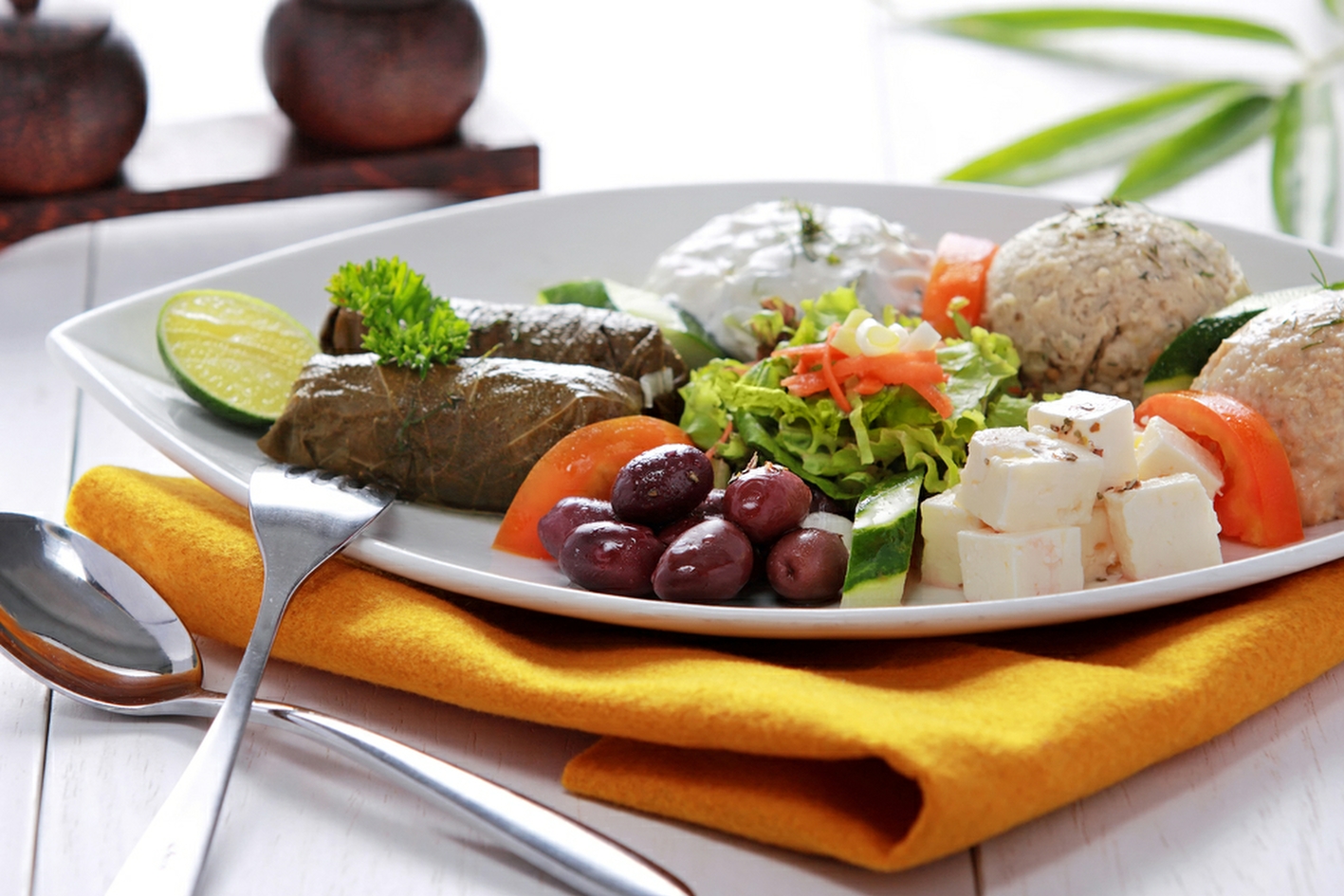
Greece's art of the shared plate
" Culinarily, pikilia varies widely depending on region, season and the establishment serving it "
Pikilia is less a single dish and more a delicious idea: a mixed platter of Greek appetisers designed for sharing. The word itself means “variety”, and that is exactly what you get. A generous spread of small bites served at tavernas, ouzeries, and family tables across Greece. Whether you order a pikilia to accompany ouzo, wine, or beer, it represents one of the most defining features of Greek food culture: eating slowly, socially, and together.
Historically, pikilia is closely linked to the long tradition of meze, the small dishes served alongside alcohol in Greece and the wider Eastern Mediterranean. This style of eating developed in port cities and trading hubs where flavours, ingredients, and habits travelled easily between cultures. Over time, Greek tavernas made the format their own, turning the shared platter into a relaxed ritual. A pikilia isn’t about formality; it’s about conversation, appetite, and a table that keeps filling up.
Culinarily, pikilia varies widely depending on region, season, and the establishment serving it. Some versions are simple and rustic, while others are almost a showcase of the kitchen. A typical pikilia might include tzatziki, taramosalata (fish roe dip), melitzanosalata (aubergine dip), olives, feta, dolmades (vine leaves), sliced tomatoes or cucumber. In many places, it also includes warm items such as saganaki (fried cheese), keftedakia (meatballs), loukaniko (sausage), or small pieces of grilled meat.
You will often see different types of pikilia listed on menus. A pikilia meze tends to focus on dips, vegetables, and cold plates. A pikilia kreas (meat variety) leans towards grilled or fried meats, while a pikilia thalassina (seafood variety) may include octopus, fried calamari, anchovies, or marinated fish. The point is not strict rules, but abundance and balance: creamy, salty, sharp, fresh, and crunchy all in one spread.
The brilliance of pikilia lies in how it fits Greek life. It suits the Mediterranean climate. Rhythm of long evenings, and the cultural preference for shared plates over individual portions. It also reflects a practical tradition: using what is available, showcasing preserved foods like olives and cured fish. Making simple ingredients feel special through good olive oil, lemon, herbs, and technique.
Today, pikilia remains a staple of Greek hospitality. Ordering one is a way of saying you are not in a rush. You are here to taste a bit of everything. To enjoy the meal the way Greeks often do best: in good company, with plenty on the table.
Prepared by a Chaîne News Online Staff Writer
Researched from various sources. E&OE

From Cologne to Oslo - a guest of the Chaîne in Norway

A Renaissance garden of water, art and wonder