
The ancient grain of the Aztecs
" This remarkable plant has been cultivated for centuries, valued both as a nutritious food and as a symbol of cultural heritage "
Huauzontle [Ed: pronounced wah-ZON-tleh] (Latin name: Chenopodium nuttalliae), also known as hairy amaranth and Aztec broccoli, is an ancient crop native to Mexico and a close relative of quinoa. It’s related to common American weeds: goosefoot and lambsquarters.
This remarkable plant has been cultivated for centuries, valued both as a nutritious food and as a symbol of cultural heritage. Once a staple of the Aztec diet, huauzontle is now enjoying renewed interest for its resilience, nutritional richness and distinctive flavour.
Botanical information
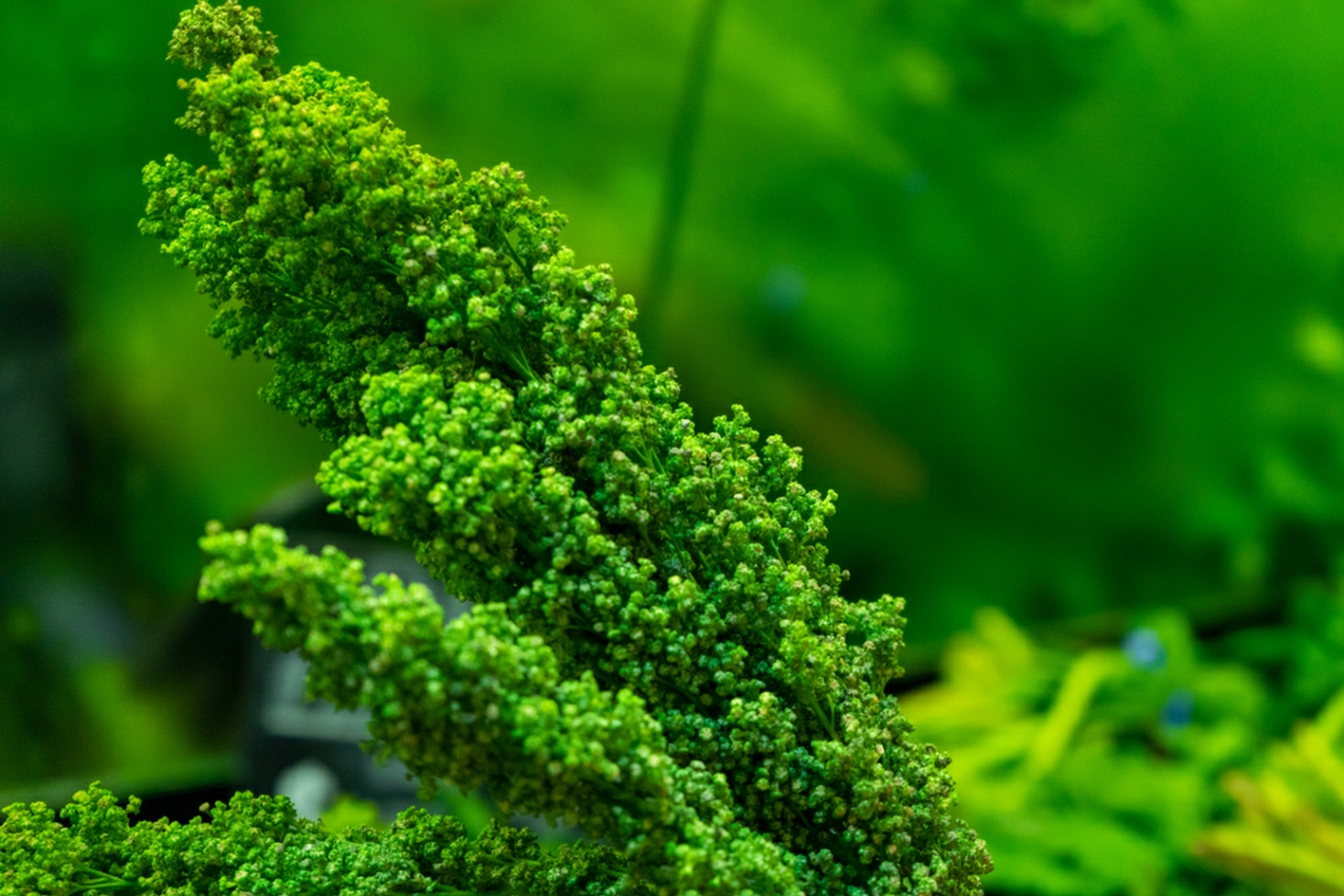
Huauzontle belongs to the Amaranthaceae family. This annual herb can grow up to two metres tall which produces red tinted green leafy branching stems with clusters of small greenish flowers. Later these form tiny seeds. Both young shoots and immature flower clusters are edible. Resembling tender broccoli in appearance, their texture is lighter and more delicate.
Cultivation and growth
Adapted to the highlands of central and southern Mexico, Chenopodium nuttalliae thrives in poor soils and semi-arid climates, making it a climate-resilient crop. It tolerates drought and salinity better than many conventional vegetables. Farmers traditionally sow huauzontle at the beginning of the rainy season and harvest it about three months later. Its hardy nature and minimal fertiliser requirements make it an appealing option for sustainable agriculture.
Culinary uses
In Mexican cuisine, huauzontle holds a cherished place. The most famous preparation, “huauzontles en tortitas”, features the clusters dipped in batter and then fried. Often served with tomato or chilli sauce and a stick of salty Mexican cheese the flavour is slightly earthy and herbaceous with a hint of bitterness that pairs beautifully with spicy or tangy accompaniments.
Whilst its seeds can be cooked similarly to quinoa, they are less commonly used. Huauzontle pancakes stuffed with cheese and topped with tomato sauce are popular. It’s used to season salads, ahuautles in pasilla sauce, and beef fillets. The mature seeds can also be ground into flour to make tortillas.
Nutritional and cultural significance
Nutritionally, Chenopodium nuttalliae is rich in protein, iron, calcium, and dietary fibre, offering an excellent plant-based source of nutrients. Its amino acid profile is similar to that of quinoa, making it valuable in vegetarian and vegan diets.
Beyond its nutritional merits, huauzontle carries cultural importance. It features in traditional festivals and regional dishes that connect contemporary Mexicans with their ancestral food history.
During the rule of Moctezuma*, huauzontle and amaranth were the fourth most important crops, after maize, beans, and chia. Many towns paid tribute to the Aztec empire in huauzontle.
Modern Revival
Today, chefs and agricultural scientists are revisiting huauzontle as part of a broader movement to revive indigenous crops that support biodiversity and food security. With its versatility, resilience, and deep cultural roots, Chenopodium nuttalliae stands as both a link to the past and a promising ingredient for the future.
Prepared by a Chaîne News Online Staff Writer
Researched from various sources. E&OE
*Both Montezuma and Moctezuma refer to the same Aztec ruler, with Moctezuma being the more accurate Spanish approximation of his original Nahuatl name, Motecuhzoma Xocoyotzin. Montezuma is the more common anglicized spelling, popularized in English-language history.


A historic milestone for Bulgarian gastronomy